

Wills
Talking about death and how to manage your estate can be uncomfortable, but it’s one of the most important steps you can take to ensure your family is protected. Having a well-prepared Will, Power of Attorney, and Living Will is essential, no matter the size of your assets. Good estate planning ensures your belongings are passed to the people you choose, and, if you’re a parent, that your children will be taken care of.
Without a Will, the State will decide how your assets are distributed. Will your spouse or child receive everything, or will your estate be divided among others? Do you want the State to make that decision for you, or would you prefer to plan it yourself? The absence of a Will often leads to confusion and conflict among family members, each of whom may believe they know what you would have wanted. Isn’t it worth sitting down to create a plan that prevents such tension and ensures peace of mind?
For parents, the most important question is: Who will take care of your children if you and your spouse pass away? Without a Will, there’s no direction for who manages your estate or who cares for your kids. Do you want your children to receive their inheritance all at once on their 18th birthday, or would you prefer it to be distributed over several years to help with future expenses like college? If you don’t create a Will to answer these questions, the Court will decide what it thinks is best.
Many potential issues can be avoided with proper estate planning. You can ensure that your surviving spouse receives all of your assets, or, if both spouses pass away, that a trust is set up to care for your children. These trusts can be structured to pay out over time for their benefit, such as for education. With thoughtful planning, you may even be able to avoid probate court altogether, where appropriate.
Information to Bring for Your Estate Planning Consultation
- Names, addresses, and phone numbers of those you’d like included in your estate planning documents
- Information about any special needs for yourself, spouse, or dependents
- A list of your assets
- A list of liabilities and debts
- Your most recent income tax returns
- Dates of marriage and divorce (if applicable)
- Names of those you’d like to serve as executor, guardian, or trustee (including alternates for each role)
- A list of specific bequests and the beneficiaries, including any charitable donations
Power of Attorney
Who will manage your finances if something happens to you? Who will have the authority to access your bank accounts or sell assets if you’re incapacitated? These are difficult questions, but they are crucial for ensuring that your loved ones aren’t left in a challenging situation. With rising medical costs, it may be necessary to sell assets to afford long-term care, but without a properly executed Power of Attorney, no one will be able to handle your finances for you. It’s vital to have someone you trust in place to handle these matters in your absence.
Estate Administration
Losing a loved one is never easy, and it’s especially challenging when you’re tasked with handling their estate. The person named as Executor or Trustee is responsible for managing the estate—this includes locating assets, settling debts and taxes, and distributing the remaining assets according to the wishes outlined in the Will. While the process may seem straightforward, it’s filled with potential legal pitfalls. Mistakes, like overlooking debts or missing deadlines, can end up costing the estate. I can guide you through the complexities of estate administration to ensure the process goes smoothly.
Elder Law
With medical advancements and healthier lifestyles, people are living longer than ever before. While this is great news, it also raises new questions for seniors and their families, such as:
- How can I protect myself and my assets?
- Will I be able to afford long-term care?
- Do I qualify for Medicaid?
- What happens to my assets if my spouse needs long-term care?
- Who will make healthcare decisions for me if I’m unable?
- Should I create a trust?
- How can I pass on the most to my children and grandchildren without losing control of my finances?
Harry Jay Levin, P.C. can help you navigate these difficult questions and work with you to create an estate plan that is tailored to your specific needs and family situation.
Blog
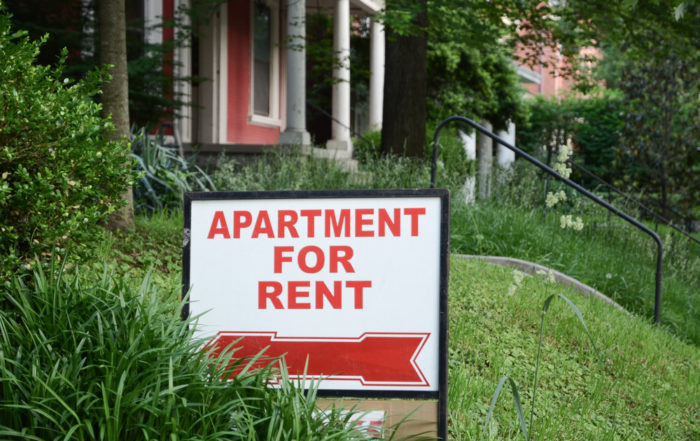
Security Deposits and Residential Tenancies
Residential tenancies in New Jersey are governed by the New Jersey Security Deposit Law, N.J.S.A. 46:8-19 to 25. The law outlines the guidelines for [...]

Navigating Shared Holiday Parenting Time
It’s the most wonderful time of the year, or is it? With the holidays fast approaching, most people are looking forward to family gatherings [...]

Tenant Warrant for Removal: What to Expect
If you are a residential tenant in New Jersey and your Landlord obtains a Judgment for Possession, you will need to start packing your [...]